Spotting trouble before it leaks
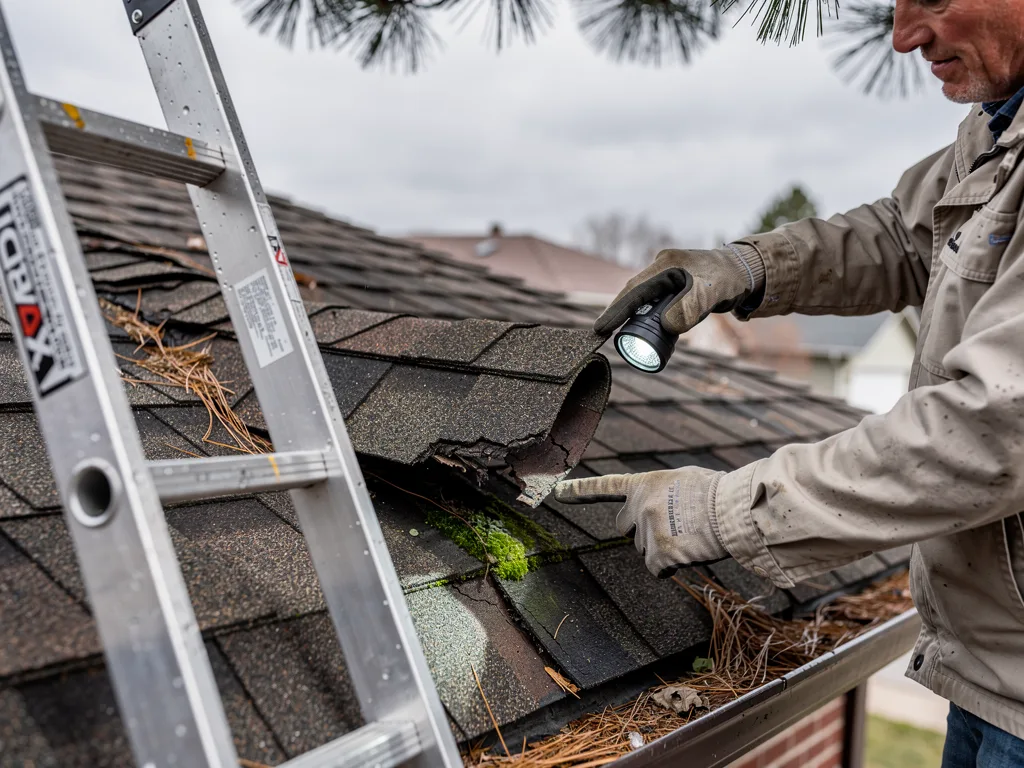
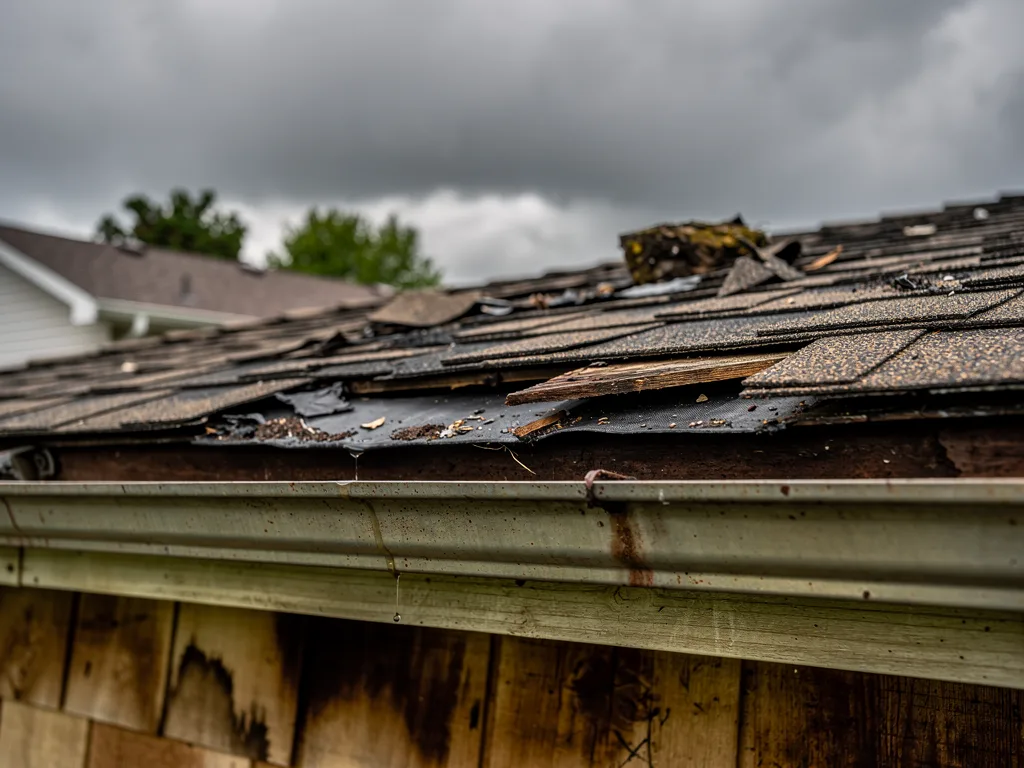
In Aurora, roofs face sun exposure, hail, and afternoon rain squalls. A lot of problems start with small, telltale signs that you can spot from ground level or a quick attic check. Look for curling edges on shingles, granule buildup in gutters, and missing pieces after a storm. Each of these can indicate the roof is aging or has suffered localized damage.
Another reliable clue is light coming through the attic ceiling or rafters. If you can see daylight from your attic or feel drafts near a vent, that’s a red flag. The damage may be worse on sections exposed to the sun and wind, so a closer inspection by our team is a good idea if you notice it on multiple spots.
Water marks and interior signs
Inside the home, look for stained ceiling patches, peeling paint, or damp spots on the attic floor. Those are common indicators of a slow leak. In Aurora, seasonal temperature swings can cause deck boards to expand and sealant to crack. If you see gray, brown, or black stains, it’s time to bring in a roofer for an evaluation.
Don’t wait for a loud drip to schedule a check. A small leak can compromise insulation and ventilation over time, and that adds up to higher energy bills and potential wood rot.
How a professional checks the roof
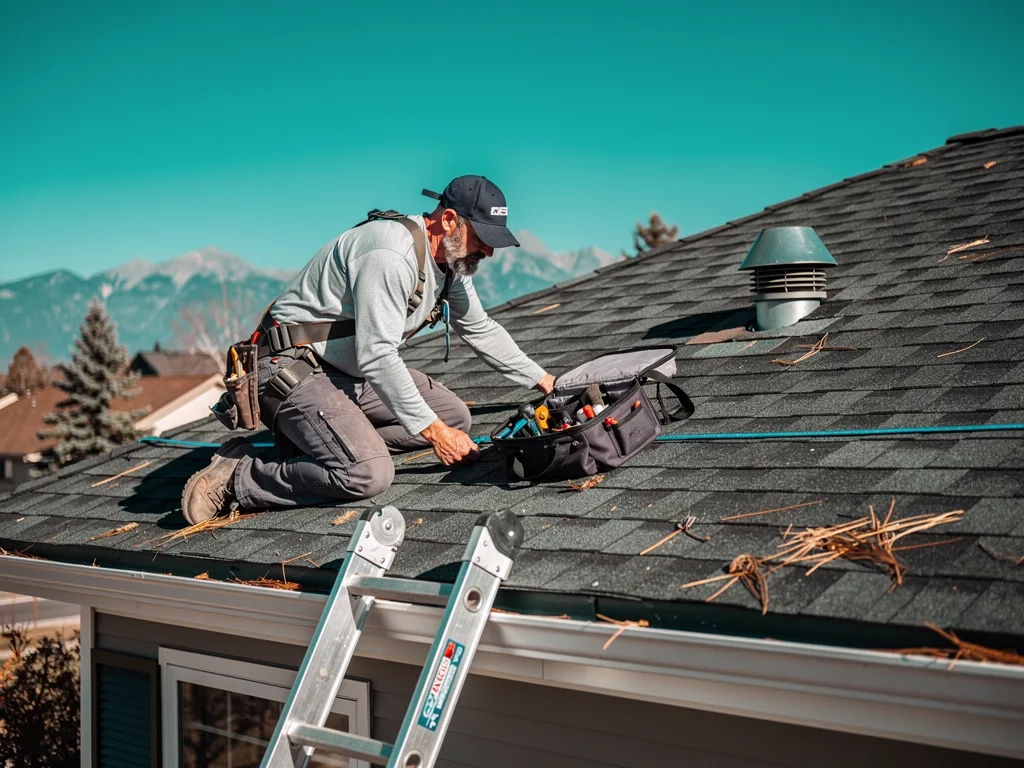
Our crew at Aurora Flat Roofing uses a straightforward process. We start with a ground-level inspection, then climb to verify the ridge line, flashing, and joints. We check shingles for cupping, cracking, or missing tabs, and we test the attic for proper ventilation. A quick checklist helps us determine whether you need minor repairs or a full roof replacement.
We document findings with photos and provide a clear plan. If the problem is isolated and recent, a few repairs may extend the life of your roof. If the decking is compromised or the flashing is failing, it’s often more cost-effective in the long run to replace the damaged sections rather than chase patchwork repairs.
Practical steps you can take now
Clean gutters to prevent water from backing up near eaves. Trim branches brushing the roof to reduce impact during storms. If you notice a curled shingle corner or loose flashing after a wind event, avoid walking on the roof and call a roofer. In Aurora, a quick assessment can save you from more extensive damage later in the season.
Timing matters. If you are approaching the rainy season or the first heavy snow, a roof check by our team can help set expectations and plan repairs around your schedule.
Quick reference checklist
- Curled or missing shingles
- Granules in gutters or downspouts
- Light visible in attic from the living space
- Water stains on ceilings or walls
When in doubt, call Aurora Flat Roofing for a professional opinion. We’re local, know Aurora weather, and speak in plain terms about what your roof needs.